
Canada’s music festival landscape offers more than unforgettable performances and summer memories. These events serve as crucial economic engines for artists, songwriters, and the broader music ecosystem, generating performance royalties and creating opportunities for fair compensation through proper licensing agreements. From the electric indie-pop lineup at All Things Go Toronto in June to the country crowds gathering at Boots and Hearts West in late August, festivals across the nation showcase Canadian talent alongside international acts while supporting the rights management infrastructure that sustains creative careers.
This guide highlights ten notable Canadian music festivals selected for their artistic diversity, regional representation, and commitment to the music industry’s professional standards. Whether you’re an artist seeking performance opportunities, a songwriter tracking how your work generates revenue, or a music professional mapping the festival circuit, understanding these events provides insight into how live music connects audiences with the licensing frameworks that protect and compensate creators. Each festival represents a point where artistic expression meets the business practices that make sustainable music careers possible, from Montreal’s winter Igloofest to Quebec’s Festival Country Lotbinière running this very weekend.
How We Selected These Festivals
Choosing which festivals to feature required balancing representation with impact. Canada’s festival landscape spans thousands of kilometers and dozens of genres, so we focused on events that collectively illustrate the country’s musical breadth while supporting the artists and songwriters who power these gatherings.
Our selection criteria included:
- Geographic diversity spanning multiple provinces and territories, from urban centers to remote communities
- Genre variety representing country, indie, electronic, and multi-genre programming that reflects Canada’s musical range
- Demonstrated support for Canadian artists and songwriters through lineup curation and performance opportunities
- International reach that creates global exposure and industry connections for Canadian talent
- Contribution to fair compensation ecosystems through proper licensing and rights management practices
These festivals range from intimate regional gatherings to major international events, each playing a distinct role in Canada’s music infrastructure. Large festivals like Osheaga provide career-defining exposure and substantial performance royalties, while mid-sized events such as Departure Festival combine live music with industry education that helps artists understand their rights. Regional festivals in places like St. Agapit, QC and Dawson City, Yukon ensure that musicians across the country have access to professional performance venues and the compensation structures that come with them.
The festivals featured here aren’t just entertainment events, they’re critical economic engines that generate royalties, create networking opportunities, and strengthen the licensing frameworks that protect musicians’ livelihoods.
1. All Things Go Toronto, Indie and Pop Excellence
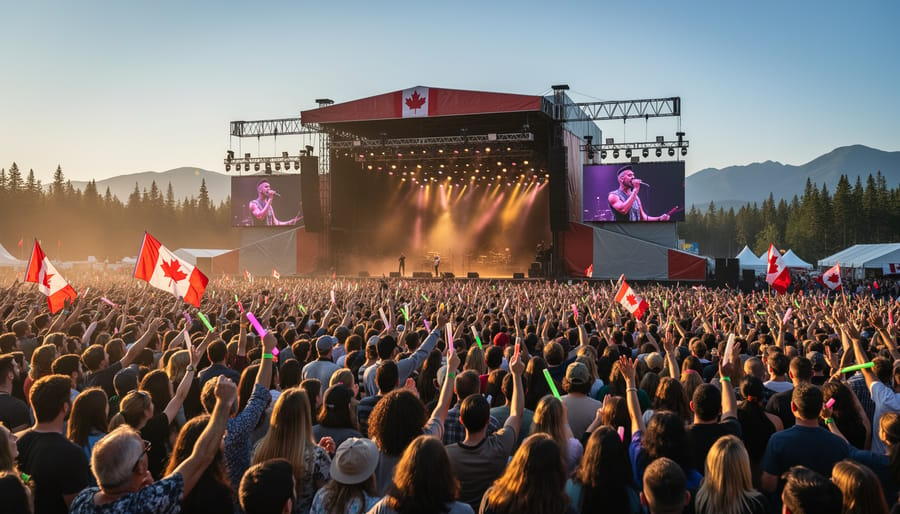
All Things Go Toronto brings indie and pop music to the city’s downtown core on June 6-7, assembling a lineup that reflects both global reach and homegrown talent. The festival’s 2026 roster features international headliners Lorde, Kesha, and Wet Leg performing alongside Canadian acts The Beaches, Rachel Chinouriri, Sofia Camara, and Jade LeMac, a billing strategy that creates visibility for Canadian songwriters while drawing audiences with established names.
This shared-stage approach benefits emerging and mid-career Canadian artists in tangible ways. When The Beaches or Jade LeMac perform on the same festival day as internationally touring acts, they access new audiences who might not discover their music otherwise, expanding both their fan base and future royalty streams. The festival generates mechanical and performance royalties for every songwriter whose work is performed, with proper licensing ensuring that both Canadian and international rights holders receive compensation.
Toronto’s position as Canada’s largest music market makes All Things Go particularly valuable for industry networking. Songwriters, managers, and publishers attend not just for the performances but for the connections that emerge when international acts and Canadian talent share festival infrastructure. These relationships often lead to co-writing opportunities, publishing deals, and tour support slots, the kinds of collaborations that strengthen Canadian artists’ international presence while reinforcing the royalty collection systems that sustain professional music careers.
2. Festival Country Lotbinière, Québec’s Country Celebration
Festival Country Lotbinière brings the heart of country music to francophone Canada each summer, offering three days of celebration in St. Agapit, Quebec. Running August 27-29, 2026, this regional event fills a crucial niche in Canada’s festival landscape by creating space where country songwriters and performers can connect with audiences in a predominantly French-speaking market.
The festival’s significance extends beyond its weekend lineup. For Quebec-based country artists and songwriters, events like this provide essential performance opportunities that generate both exposure and royalties through proper licensing agreements. Regional festivals create the foundation for sustainable music careers, particularly for emerging talent who need stages to develop their craft and build followings before reaching larger national events.
What sets Festival Country Lotbinière apart is its commitment to francophone country music, a genre often overshadowed by its English-language counterpart yet rich with storytelling tradition. By centering this work, the festival ensures that songwriters working in French receive recognition and compensation for their contributions to Canada’s diverse musical heritage.
For artists navigating rights management, festivals like this one demonstrate how regional events contribute to the broader ecosystem of performance rights and licensing. Each show represents not just a performance but a point where proper compensation flows to creators, reinforcing the infrastructure that supports musicians across the country.
3. Boots and Hearts West, Country Music in Alberta
Boots and Hearts West brings the energy of Canada’s country music scene to Alberta on August 28-29, 2026, in Edmonton. This Western Canadian festival creates a vital platform for both emerging and established country artists to connect with audiences across the prairies and beyond.
For musicians and songwriters, festivals like Boots and Hearts West represent more than just performance opportunities, they’re critical revenue generators through performance rights royalties. Every song performed on festival stages triggers compensation through proper licensing agreements, ensuring that both performers and the songwriters behind the music receive their fair share. This applies whether an artist is playing their own original material or covering another writer’s work.
The festival’s focus on country music addresses a genre that’s particularly strong in Western Canada, providing regional artists with hometown visibility that can launch national careers. These events also introduce Alberta audiences to talent from across the country, strengthening the connections that make Canada’s music industry more cohesive.
For industry stakeholders, understanding how festivals handle performance rights and mechanical licensing is essential. Properly structured festival agreements protect artists’ interests while creating sustainable models that allow events to thrive year after year, building the infrastructure that supports Canadian songwriters throughout their careers.
4. Igloofest, Winter Electronic Music Across Canada
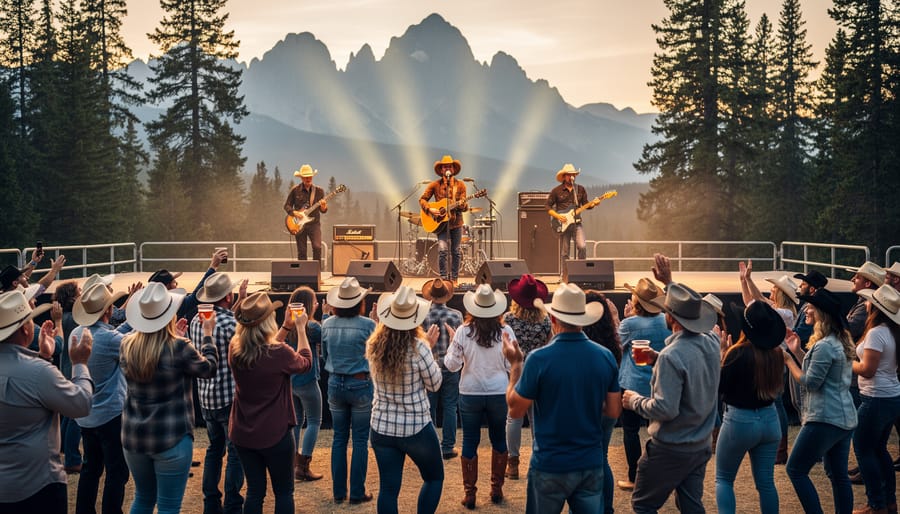
Igloofest stands apart as Canada’s boldest defiance of winter, transforming the coldest months into a celebration of electronic music across four cities. Held annually in Montreal, Quebec City, Gatineau, and Edmonton, this multi-city festival series creates something rare in the Canadian music landscape: a coordinated platform that amplifies electronic producers and DJs far beyond what a single-location event could achieve.
For electronic artists, the multi-city structure multiplies exposure and revenue streams in ways traditional festivals can’t match. A producer booked across all four stops reaches diverse regional audiences while accumulating performance royalties from multiple venues and dates. This touring festival model also strengthens licensing requirements, each location generates separate performance rights collections, ensuring artists receive compensation for their work across provinces.
The winter timing fills a critical gap in Canada’s festival calendar, keeping electronic music vibrant during months when most outdoor events go dormant. DJs and producers gain valuable performance opportunities that sustain their careers year-round rather than compressing income into summer months alone.
By connecting Montreal’s established electronic scene with growing markets in Quebec City, Gatineau, and Western Canada through Edmonton, Igloofest creates cross-country networks that benefit emerging and established artists alike. This distributed approach demonstrates how festival series can strengthen Canada’s music ecosystem while ensuring proper rights management and fair compensation reach artists wherever they perform.
5. YQM Country Fest, Growing Regional Country Scene
YQM Country Fest represents the essential role regional festivals play in sustaining Canada’s country music ecosystem beyond major urban centers. While smaller in scale than national headliners, events like this create vital performance opportunities for songwriters and musicians who might otherwise struggle to reach audiences outside established festival circuits.
Regional country festivals serve as proving grounds where emerging artists build fanbases, test new material, and earn performance royalties that contribute to sustainable careers. They provide stages for acts developing their sound before they’re ready for larger venues, while also offering established regional performers consistent work within their communities. This geographic diversity in festival programming ensures that country music talent develops across the entire nation rather than concentrating solely in major markets.
For songwriters specifically, these festivals generate mechanical and performance royalties while creating networking opportunities with other industry professionals, booking agents, publishers, and fellow musicians who might later collaborate on writing projects. The intimate scale often allows for deeper audience connections than massive events, building the loyal fan relationships that support long-term artistic careers. By contributing to this distributed network of performance venues, regional festivals like YQM Country Fest strengthen the infrastructure that allows Canadian country artists to thrive professionally while maintaining diverse regional voices within the genre.
6. Osheaga, Montreal’s Multi-Genre Powerhouse
Osheaga stands as one of Canada’s most prestigious multi-genre festivals, transforming Montreal’s Parc Jean-Drapeau into a cultural epicenter each summer. Since its inception, the festival has built an international reputation by curating lineups that blend indie rock, electronic, hip-hop, and alternative music, consistently drawing hundreds of thousands of attendees from across North America and Europe.
For Canadian artists, Osheaga represents a career-defining opportunity. Sharing stages with globally recognized headliners elevates emerging and established Canadian talent to international audiences, opening doors to cross-border touring, label interest, and media coverage that extends far beyond Canada’s borders. The festival’s visibility creates ripple effects: a strong Osheaga performance can translate into festival bookings across Europe, streaming growth, and invitations to major industry showcases.
From a rights perspective, large-scale multi-genre events like Osheaga require comprehensive licensing frameworks. Performance rights organizations collect royalties on behalf of songwriters and composers for every song performed, while mechanical and synchronization licenses come into play for recorded content and broadcasts. The festival’s scale demands meticulous rights management, ensuring that the hundreds of songs performed across multiple stages generate proper compensation for their creators. This complex infrastructure makes Osheaga not just a cultural landmark but a significant economic event for Canadian music rights holders.
7. Harvest Music Festival, Celebrating Community and Sound
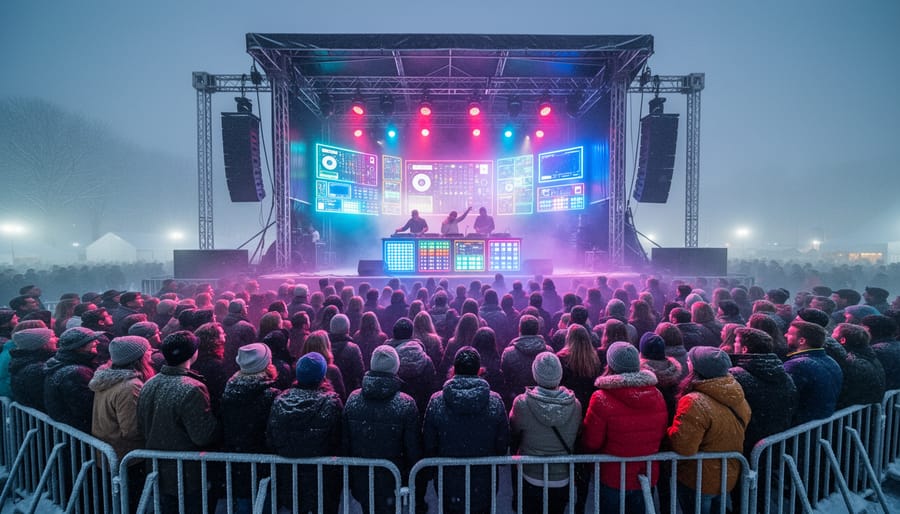
Mid-sized festivals occupy a vital space in Canada’s music ecosystem, bridging the gap between intimate club shows and massive multi-day events. The Harvest Music Festival exemplifies this tier, events that draw dedicated audiences, curate thoughtful lineups blending established and emerging acts, and create genuine community connections around shared musical experiences. These festivals often serve smaller cities and towns across Canada, bringing professional production quality and diverse programming to regions outside major metropolitan centers.
For Canadian musicians and songwriters, mid-sized festivals represent sustainable career building blocks. Unlike headline slots at major events, these stages offer realistic performance goals that emerging artists can actually achieve while still generating meaningful royalties, industry exposure, and fan development. The festivals typically book stronger proportions of Canadian talent across their lineups, creating more paid opportunities for domestic artists while ensuring proper licensing generates fair compensation through performance rights organizations.
The community focus distinguishes festivals like Harvest from purely commercial ventures. By centering local audiences and regional talent alongside national draws, they strengthen Canada’s musical fabric from the ground up, creating ecosystems where songwriters can build careers without relocating to Toronto, Montreal, or Vancouver. This geographic diversity ensures Canadian music thrives coast to coast, not just in urban centers.
8. Departure Festival + Conference, Industry and Performance
Departure Festival + Conference stands apart in Canada’s festival landscape by fusing live performance with essential industry education. Spanning over 100 events, this gathering serves dual purposes: audiences experience diverse musical acts while industry professionals engage in panels, workshops, and sessions covering rights management, licensing frameworks, and international business strategies.
For songwriters and musicians, Departure offers something most festivals don’t, direct access to the people shaping music commerce. You can perform on Friday night and attend a Saturday morning session on sync licensing or mechanical royalties. Label executives, publishers, rights administrators, and booking agents converge here, creating natural networking opportunities that extend beyond casual backstage encounters.
The conference component tackles real challenges facing Canadian artists: navigating cross-border royalty collection, understanding streaming payment structures, protecting compositions in international markets, and building sustainable careers through proper rights management. These aren’t abstract topics, they’re the mechanics of fair compensation that determine whether musicians can afford to keep creating.
What makes Departure particularly valuable is its timing and structure. By integrating education with performance, it acknowledges that artistic success and business literacy aren’t separate pursuits. Emerging artists leave with both stage experience and practical knowledge about protecting their work, while established professionals deepen international connections that open doors across borders. It’s where Canada’s music community simultaneously celebrates and strengthens the industry infrastructure that supports everyone in it.
9. Dawson City Music Festival, Remote Territory Gathering
The Dawson City Music Festival stands as a testament to the reach and resilience of Canada’s music community, bringing professional live music to one of the country’s most remote locations. Located in Yukon Territory, this gathering demonstrates that geographic isolation doesn’t diminish the need for, or the impact of, quality musical experiences that support working artists.
Remote festivals like Dawson City serve a dual purpose in Canada’s music ecosystem. For audiences in underserved markets, they provide rare opportunities to experience diverse live performances without traveling thousands of kilometers to urban centers. For musicians and songwriters, these events offer paid performance opportunities in regions where commercial venues are scarce, generating performance royalties and expanding their professional networks beyond traditional touring circuits.
The festival typically offers flexible attendance options including weekend passes, single day tickets, and camping passes that accommodate the practical realities of reaching remote locations. This accessibility reflects a commitment to making music available across all Canadian communities, not just metropolitan areas.
These northern and remote festivals strengthen the entire Canadian music industry by creating a truly national performance infrastructure. They ensure that songwriters and performers can build sustainable careers with geographically diverse income streams, reinforcing the principle that fair compensation and artist support extend from coast to coast to coast. For many emerging artists, festivals in smaller markets provide crucial stepping stones, less competitive lineup spots where they can develop their live craft while earning royalties that support their artistic development.
10. Regional and Emerging Festivals, The Future of Canadian Music Events
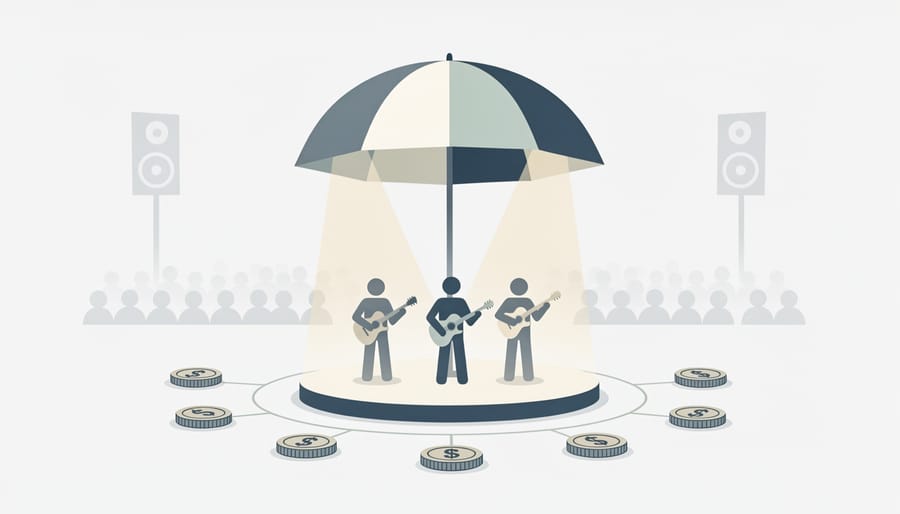
Beyond the headline events, Canada’s music ecosystem thrives on hundreds of smaller festivals that serve as launch pads for tomorrow’s breakthrough artists. These regional gatherings, from community celebrations in prairie towns to genre-specific weekends in Maritime provinces, create accessible entry points for songwriters and musicians building their careers. They offer lower barriers to entry than major festivals, provide intimate settings where artists connect directly with audiences, and generate essential performing rights royalties that support developing careers.
Emerging festivals also experiment with new formats and genres, filling gaps in the national landscape. They pioneer artist-friendly models, transparent booking practices, and innovative approaches to music compensation that larger events later adopt. For every established festival on this list, dozens of newer events are quietly strengthening Canada’s musical infrastructure, creating the performance opportunities, industry connections, and fair payment structures that turn emerging talent into sustainable careers. Supporting these festivals as attendees, sponsors, or industry partners directly invests in the next generation of Canadian music.
What Makes Canadian Music Festivals Essential for Artists
Canadian music festivals function as commercial performance venues where artists earn mechanical and performing rights royalties every time their work is played. These royalty streams, collected through organizations that manage licensing on behalf of songwriters and performers, represent tangible income that supports sustainable careers. Beyond the immediate payment, festivals generate valuable performance data that influences streaming algorithms, playlist placements, and future booking opportunities.
The exposure festivals provide extends far beyond ticket-holders in attendance. Media coverage, social sharing, and industry presence amplify an artist’s reach to audiences, booking agents, label representatives, and sync licensing professionals who might otherwise never encounter their work. A strong festival set can lead to tour invitations, collaboration offers, and licensing deals that multiply the initial performance fee many times over.
Networking represents another essential component. Festivals concentrate industry professionals, managers, publishers, international promoters, in one location, creating organic opportunities for relationship-building that would require months of cold outreach to replicate. These connections frequently become the foundation for international tours, co-writing sessions, and strategic partnerships.
However, these benefits only materialize when festivals operate within proper licensing frameworks. Rights transparency ensures performers receive their entitled compensation rather than seeing their work used without proper payment. For emerging artists especially, festivals that prioritize fair compensation and clear licensing practices create the financial stability needed to continue developing their craft and building long-term careers in an increasingly competitive industry.
What to Watch For
Beyond simply purchasing tickets, savvy festivalgoers can enhance their experience by planning for the realities of multi-day outdoor events. Pack layers regardless of summer dates, since evening temperatures drop significantly across most Canadian regions. Portable phone chargers become essential when you’re documenting performances and coordinating meetups across sprawling festival grounds.
For musicians and industry professionals attending festivals as part of their work rather than pure recreation, schedule downtime strategically. The intensity of back-to-back performances, networking sessions, and late-night showcases demands intentional creative recovery between high-energy days. Many artists build rest periods into their festival schedules specifically to maintain performance quality across multiple appearances.
If you’re exploring wellness options at festivals, research venue policies beforehand. Some events have embraced regulated options like festival gummies in jurisdictions where they’re legal, while others maintain strict substance policies. Understanding these boundaries before arrival prevents gate complications and ensures you’re prepared for each festival’s specific culture and regulations.
Common Questions About Canadian Music Festivals
Music festivals raise practical questions for both attendees and artists navigating Canada’s vibrant festival landscape. Understanding how these events operate helps everyone participate more effectively in the ecosystem that supports musicians and songwriters.
What types of festival tickets are typically available?
Most Canadian festivals offer weekend passes, single-day tickets, and various VIP options, with some remote events like Dawson City Music Festival also providing camping passes. Ticket availability varies by festival size and demand, so purchasing early often ensures better pricing and access.
How do artists get selected for festival lineups?
Festival organizers consider artistic merit, audience appeal, genre fit, and often prioritize supporting Canadian talent alongside international acts. Emerging artists typically gain access through submissions, industry showcases, music conference connections, or recommendations from booking agents and music organizations.
What rights protections exist for festival performers?
Canadian performers are protected by copyright law and performance rights organizations that ensure proper licensing. Festivals must obtain licenses from organizations like SOCAN and Re:Sound, which collect and distribute royalties to songwriters, composers, and recording artists whose work is performed.
How are royalties collected from festival performances?
Performance rights organizations collect licensing fees from festivals based on factors like attendance, ticket prices, and event scope, then distribute these royalties to registered songwriters and performers. This system ensures musicians receive fair compensation even when they’re not the headlining act.
For emerging artists seeking festival opportunities, building relationships within the music community proves essential. Industry events like Departure Festival’s conference component create networking opportunities that can lead to performance slots. Regional festivals often provide more accessible entry points than major events, allowing newer acts to build experience and industry connections that support sustainable careers in Canada’s music landscape.
Canadian music festivals represent more than entertainment, they’re vital infrastructure for a sustainable music industry. From Toronto’s major stages to Dawson City’s remote gatherings, these events create performance opportunities that generate royalties, build careers, and connect Canadian talent with international audiences. Each festival contributes to an ecosystem where musicians and songwriters can earn fair compensation for their work while reaching fans across borders.
Whether you’re an artist seeking performance opportunities, an industry professional scouting talent, or a music lover supporting live events, your participation strengthens this network. Attending festivals, understanding rights structures, and advocating for proper licensing all play a role in ensuring Canadian musicians thrive. The diversity of festivals across our provinces and territories, from country celebrations in Quebec and Alberta to electronic showcases spanning multiple cities, reflects the breadth of talent that deserves recognition and fair payment.
As Canada’s festival landscape continues to evolve, the collective commitment to artist rights and international collaboration will determine its lasting impact. Support the festivals that support our musicians.