

Musician wellness means protecting your physical health, mental resilience, and financial stability while building a sustainable career in an industry that demands irregular hours, constant travel, and emotional vulnerability. The unique demands of performing, recording, and promoting music create specific health risks that generic wellness advice rarely addresses: repetitive strain injuries from practice, hearing damage from prolonged sound exposure, anxiety from income volatility, and burnout from the pressure to maintain both artistic authenticity and commercial viability. The solution requires a tailored approach that acknowledges …
Reproduction Music Rights: Eligibility, How to Apply, and Where to Get Help
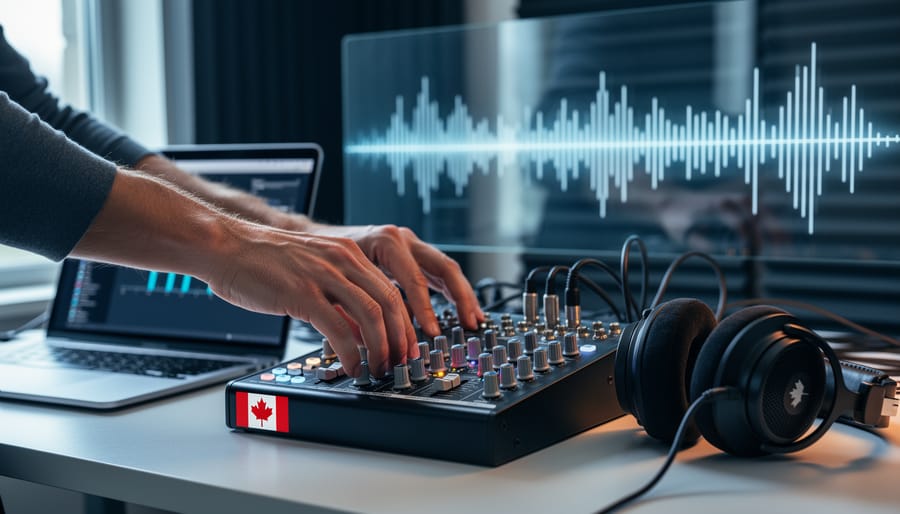
Reproduction rights entitle Canadian songwriters and composers to royalties whenever their musical works are copied, downloaded, or streamed. These rights form one of the two pillars of music copyright alongside performing rights, and registering for both ensures you capture the full scope of compensation owed to you. In Canada, SOCAN collects performing rights royalties, while reproduction rights are administered through the CMRRA (Canadian Musical Reproduction Rights Agency) or directly negotiated with licensees depending on your catalogue and distribution.
Understanding reproduction rights matters because digital streaming has …
Neighbouring Rights Royalties for Canadian Performers: Eligibility, How to Collect, and Where to Get Help
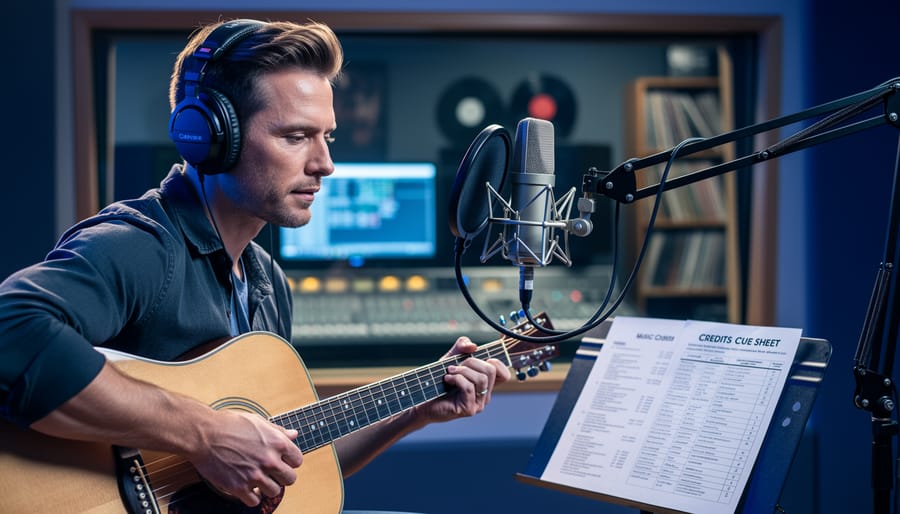
Canadian performers earn neighbouring rights royalties when their recorded performances are broadcast or publicly performed. If you’ve recorded music as a featured or session musician, you’re entitled to collect these payments through two Canadian collectives: Re:Sound and ACTRA RACS (Recording Artists’ Collecting Society). Registration is free, and once you’re enrolled, these organizations track your airplay and performances across radio, television, streaming services, and public venues, then distribute your share of royalties.
Unlike the songwriting royalties that composers collect, neighbouring rights …

Emphasis in Graphic Design: How Visual Hierarchy Directs Attention and Drives Impact
Emphasis in graphic design is the strategic use of contrast, scale, color, and placement to direct a viewer’s attention to the most important element first. It answers the question every design must solve: what should the audience see, read, or act on before anything else? For musicians building tour posters, album covers, or social media assets, emphasis determines whether a viewer registers your band name, show date, or streaming link in the critical two-second glance.
The principle works by creating visual hierarchy. …
10 Graphic Design Styles Shaping Visual Identity in 2026
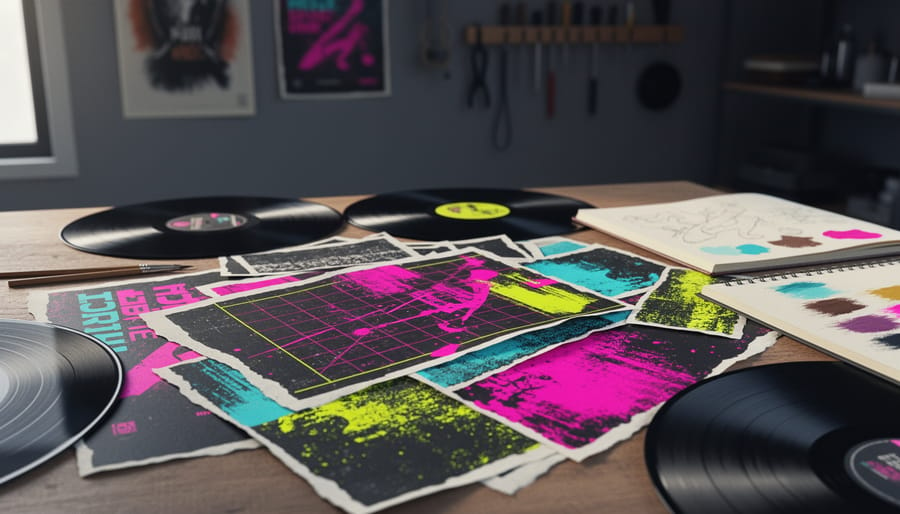
Graphic design in 2026 is undergoing a decisive shift away from polished minimalism toward expressive, texture-rich styles that prioritize visual honesty and individuality. After years of clean lines and sterile uniformity, designers are embracing rough textures, asymmetry, visible grids, and 90s nostalgia to break through the sameness that has saturated digital platforms. This movement matters for musicians and music professionals because your visual identity competes in an increasingly crowded landscape where generic branding vanishes into the scroll.
The trend research is clear: multiple design authorities, including the Graphic …

What Is Queering Reproductive Justice (and How Does It Transform Music Rights)?
Queering reproductive justice means expanding the framework of reproductive rights and bodily autonomy to centre LGBTQ2S+ experiences, recognizing that control over creative output, artistic identity, and cultural legacy are reproductive acts for musicians whose work lives beyond them. In the music industry, this intersectional approach challenges whose stories get told, whose artistic lineage gets protected, and who holds power over the creative decisions that shape an artist’s body of work and public legacy.
For too long, music rights frameworks have operated as though all creators share identical relationships to their work…
How to Use Deep Sleep Music to Ease Insomnia and Anxiety
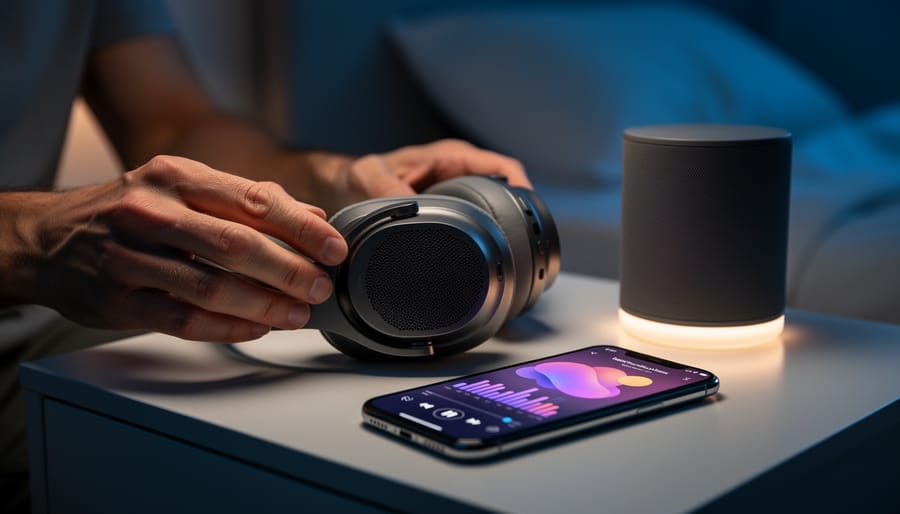
Deep sleep music works as a therapeutic tool for insomnia and anxiety by slowing your heart rate, reducing cortisol levels, and synchronizing brainwave activity to frequencies associated with restorative sleep. In practice, this means curating playlists of 60-70 BPM instrumental tracks, playing them at low volume (40-50 decibels) through quality speakers or headphones, and maintaining a consistent 30-minute pre-sleep routine. Most users notice improved sleep onset within 7-10 days of consistent practice.
The science behind this approach is well-established. Music at specific tempos triggers the parasympathetic nervous system, the …
Responsible Online-Casino Play in the Music Industry: What Musicians Need to Know
The music industry’s relationship with online casinos presents both lucrative licensing opportunities and serious ethical responsibilities that Canadian artists and rights holders can no longer afford to ignore. When your track becomes the soundtrack to a gaming platform like moonbet or similar operators, you’re not just collecting royalties. You’re entering a partnership with an industry that generates billions while grappling with addiction, financial harm, and social consequences that affect real people.
For musicians and rights organizations, this creates a complex challenge. …

Banff Canada Music Festival Guide: 7 Events to Know in 2026
Banff hosts seven distinct music festivals throughout 2026 that prioritize artist development, fair compensation, and Indigenous music sovereignty alongside world-class performances in one of Canada’s most stunning natural settings. From the Audio Recording Engineer: Indigenous Music program running November 12 to December 8, to AROABORA’s mountain festival on March 27-28, these events serve both emerging and established musicians while advancing the Canadian music industry’s commitment to equitable practices.
Key Takeaway: Banff’s music festivals stand apart by …

Transforming Reproduction and Performing Rights: Eligibility, How to Apply, and Where to Get Help
The Canadian music industry is undergoing its most significant shift in rights management in decades. Reproduction and performing rights administration, long handled through separate channels and systems, is consolidating into streamlined digital platforms that promise faster, more accurate royalty distribution and stronger transparency for creators. This transformation directly affects how you register your works, track their use, and receive fair compensation.
For songwriters and music …