
Recognition music groups are organizations that collect and distribute royalties to songwriters, composers, and music publishers when their works are publicly performed, broadcast, or streamed. In Canada, these performing rights organizations serve as essential intermediaries between creators and the businesses that use their music, ensuring artists receive fair compensation for their intellectual property. SOCAN (Society of Composers, Authors and Music Publishers of Canada) stands as the primary recognition music group for Canadian creators, managing rights and royalties for over 175,000 members.
These organizations operate on a simple but powerful principle: tracking music usage across radio, television, streaming platforms, live venues, and commercial spaces, then collecting licensing fees and distributing them to the appropriate rights holders. Without recognition music groups, individual songwriters would face the impossible task of monitoring every performance of their work and negotiating payment with thousands of music users.
For musicians and songwriters building sustainable careers, understanding how recognition music groups function directly impacts income potential. Performance royalties often represent a significant revenue stream, particularly for works that receive regular airplay or streaming attention. Registration with the appropriate organization transforms passive music usage into active income, creating financial returns long after a song’s initial release.
The Canadian music ecosystem benefits from strong international reciprocal agreements, meaning SOCAN members earn royalties when their music plays in over 170 countries through partner organizations. This global reach amplifies the value proposition for Canadian creators, extending their earning potential far beyond domestic borders while maintaining the administrative simplicity of working with a single organization.
What Recognition Music Groups Do

Recognition music groups operate as essential intermediaries in the music industry, performing functions that individual creators simply can’t manage alone. When your song plays on radio, streams on Spotify, or gets covered by another artist, these organizations make sure you get paid.
At their core, recognition music groups handle four critical responsibilities:
- Licensing music to businesses, broadcasters, streaming services, and venues that want to use copyrighted works
- Collecting royalties from these music users on behalf of thousands of creators simultaneously
- Distributing payments to the appropriate rights holders based on detailed usage data
- Monitoring where and how music is being used across radio, television, digital platforms, and public spaces
- Advocating for stronger creator protections in copyright law and trade negotiations
The licensing function alone involves negotiating blanket agreements with thousands of music users. Instead of a coffee shop owner contacting every songwriter whose music they play, they obtain a single license from a recognition group that covers the entire repertoire. This system makes music accessible to businesses while ensuring creators receive compensation.
Collection goes far beyond simply receiving payments. Recognition groups employ sophisticated monitoring technology to track music usage across platforms. They analyze radio airplay logs, streaming data from digital services, concert setlists, and broadcast schedules. For television and film, they review cue sheets that detail exactly which music appears in each production.
Distribution requires matching usage data to rights ownership information. When your song generates royalties, the recognition group must know you own it, what percentage you control, and whether you co-wrote it with others. They maintain massive databases of musical works and ownership details, then calculate and distribute payments according to their specific rules and the revenue they’ve collected.
Beyond the financial mechanics, these organizations lobby governments on behalf of creators. They push for copyright term extensions, fight against unauthorized use, and work to ensure new technologies don’t erode creators’ rights. In Canada, recognition groups have been instrumental in securing performers’ rights and maintaining the private copying levy.
This collective approach gives individual creators the same negotiating power and administrative capacity as major publishers, leveling a playing field that would otherwise favor large corporations over independent artists.
How Recognition Music Groups Support Artists in 2026
Ensuring Fair Compensation Across Platforms
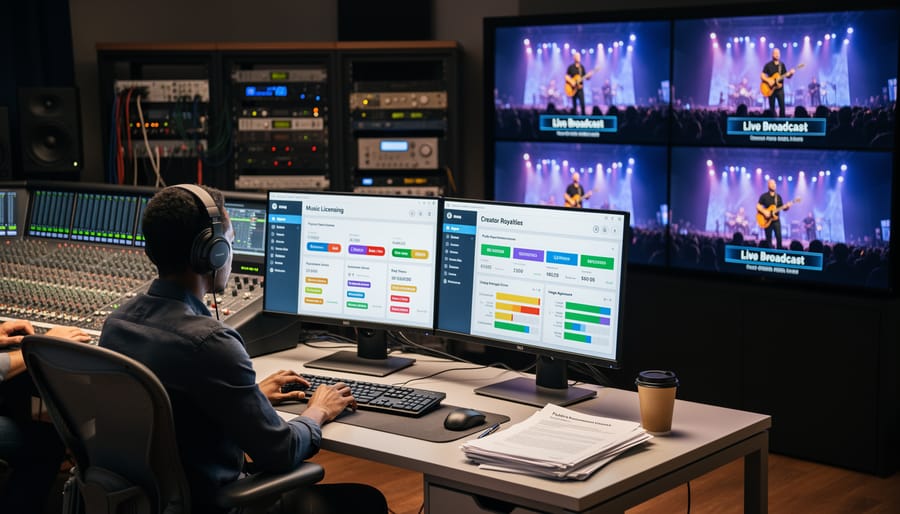
Recognition music groups employ sophisticated tracking systems and licensing frameworks to monitor music across every platform where it’s played or reproduced. When your song streams on Spotify, airs on CBC Radio, or plays at a Toronto coffee shop, these organizations ensure you’re compensated.
For streaming services and digital platforms, recognition groups negotiate blanket licenses that cover their entire repertoire. The platforms report usage data, typically monthly, detailing every stream, skip, and save. This data flows into centralized databases where it’s matched to registered works and rights holders. The precision has improved dramatically: systems now process billions of micro-transactions annually, allocating fractions of cents per stream based on listening shares.
Broadcast media operates through sampling and direct reporting. Radio and television stations provide music use logs, supplemented by audio fingerprinting technology that identifies songs played. SOCAN reciprocal agreements with international partners mean Canadian artists collect performance royalties when their music airs in 160+ territories worldwide.
Live venues present different challenges. Smaller establishments pay annual fees based on factors like capacity and frequency of live music, while larger venues and concert promoters submit setlists for specific events. Digital tools have streamlined this process, many artists now upload setlists directly through mobile apps, reducing payment delays.
The licensing structure varies by use type: performance rights cover public play, while reproduction rights address copying and distribution. Recognition groups coordinate these overlapping rights, ensuring that when your song appears in multiple contexts simultaneously, every revenue stream reaches you.
Building International Connections
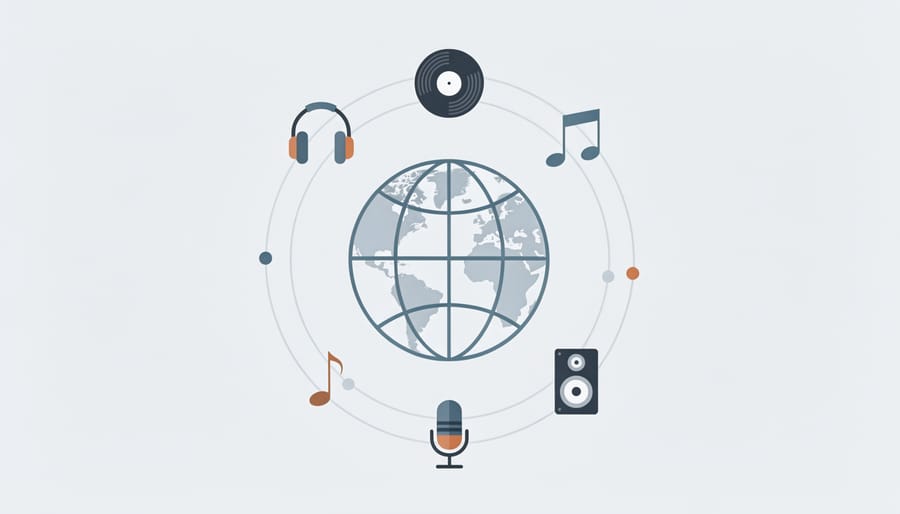
When a Canadian artist’s music plays on radio in Japan, streams in Germany, or features in a Brazilian film, recognition music groups ensure they still get paid. This international reach works through reciprocal agreements between organizations worldwide, networks that connect over 200 countries and transform local memberships into global protection.
These agreements mean Canadian recognition groups don’t need offices in every country. Instead, they partner with sister organizations abroad: SOCAN works with ASCAP and BMI in the United States, PRS in the UK, SACEM in France, and dozens more. When your song plays internationally, the local organization collects royalties on behalf of its Canadian counterpart, then transfers the funds back to you. The system runs both ways, foreign artists performing in Canada have their royalties collected here and sent home through the same reciprocal network.
The strength of these connections matters enormously for Canadian artists breaking into international markets. A Toronto songwriter whose track appears on a Spotify playlist in Sweden doesn’t need to register separately with STIM (Sweden’s performing rights organization). Their existing Canadian membership automatically extends protection through established partnerships. This seamless coverage removes barriers that once made international royalty collection nearly impossible for independent artists.
Beyond payment flows, these global networks share data about music usage, coordinate licensing standards, and advocate collectively for stronger creator protections worldwide. When streaming platforms negotiate rates or governments consider copyright reforms, recognition groups often present unified positions that carry far more weight than any single organization could alone.
For Canadian artists, this international infrastructure turns domestic membership into worldwide representation, no additional paperwork required, no geographic limits on where their music can earn income.
Types of Rights Managed by Recognition Groups
Recognition music groups manage three distinct categories of rights, each protecting different aspects of musical creation and performance. Understanding these categories helps you know which organizations to work with and ensures you’re collecting all the royalties you’re entitled to.
Reproduction rightsoften called mechanical rights, cover the copying and distribution of musical compositions. Every time someone streams your song, downloads it, manufactures a CD, or includes it in a video, they’re reproducing your work. Organizations managing these rights license your music to streaming platforms, record labels, and digital distributors, then collect and distribute the resulting royalties. In Canada, these rights typically apply to songwriters and publishers rather than performing artists. When a company wants to use your composition in their product or service, reproduction rights organizations handle the licensing agreement and ensure you receive payment for each use.
Performing rights protect the public performance of your music. This category covers a broader range of uses than many creators realize. Radio airplay, television broadcasts, live concert performances by other artists, background music in restaurants and stores, music at festivals and sporting events, and streaming on digital platforms all fall under performing rights. These uses generate royalties that flow through performing rights organizations, which monitor where and how often your music plays publicly. The distinction matters because performing rights generate separate income from reproduction rights, even when the same song is involved.
Neighboring rights protect performers and producers rather than songwriters. If you’re a session musician on a recording, a featured artist, or a producer who contributed to the master recording, you have neighboring rights in that work. These rights recognize that creating a recording involves artistic skill beyond writing the song itself. When radio stations play a track, for example, neighboring rights ensure both the featured artist and background musicians receive compensation, not just the songwriter. This category has grown increasingly important as streaming platforms have become primary distribution channels, generating ongoing royalties for performers whose work might have only earned them a one-time session fee in earlier decades.
Some recognition music groups specialize in one rights category while others manage multiple types. Canadian organizations often collaborate to ensure comprehensive coverage, with information sharing between groups that handle different rights in the same musical work. Knowing which rights apply to your role in creating music, whether you’re the composer, performer, or producer, determines which recognition groups you should join to capture all available revenue streams.
How to Work with a Recognition Music Group
Joining a recognition music group is simpler than many creators expect, but understanding the process helps you get started on the right foot and ensures you don’t miss potential royalties.
Most Canadian recognition music groups welcome both emerging artists and established professionals. Generally, you need to have created original music, whether songs, compositions, or recordings, to qualify for membership. Some organizations require that your work has been commercially released, broadcast, or publicly performed, while others accept creators earlier in their journey. SOCAN, for example, allows songwriters and composers to join once they have a work that is likely to be performed or broadcast, even if it hasn’t happened yet.
The registration process typically involves these steps:
- Choose the appropriate organization for your role (SOCAN for songwriters and composers, Re:Sound for performers and record producers, CMRRA if you control mechanical rights)
- Complete the membership application online or by mail, providing personal information and details about your creative work
- Submit documentation of your musical works, including titles, creation dates, co-writer information, and ownership percentages
- Provide recordings or links to your music where applicable, along with release information
- Review and sign the membership agreement, which grants the organization authority to license your works and collect royalties on your behalf
- Pay any applicable membership or registration fees (many groups offer reduced rates or waivers for new creators)
Once registered, maintaining accurate records becomes crucial. When you release new music, notify your recognition groups promptly with all relevant details: song titles, writers, publishers, ISRCs (International Standard Recording Codes), and release dates. The more complete your submissions, the better these organizations can track your music and ensure you’re paid when it’s used.
To maximize membership benefits, attend workshops and webinars that recognition groups regularly offer. These sessions cover everything from understanding royalty statements to navigating international rights. Many organizations also provide online portals where you can track your music’s performance, view payment history, and update your information in real time.
Don’t hesitate to reach out to member services with questions. Recognition groups employ staff specifically to help creators understand their rights and optimize their registrations. They want you to succeed because your success strengthens the entire music ecosystem they’re working to protect.
The Canadian Context: How Recognition Groups Strengthen Our Music Industry
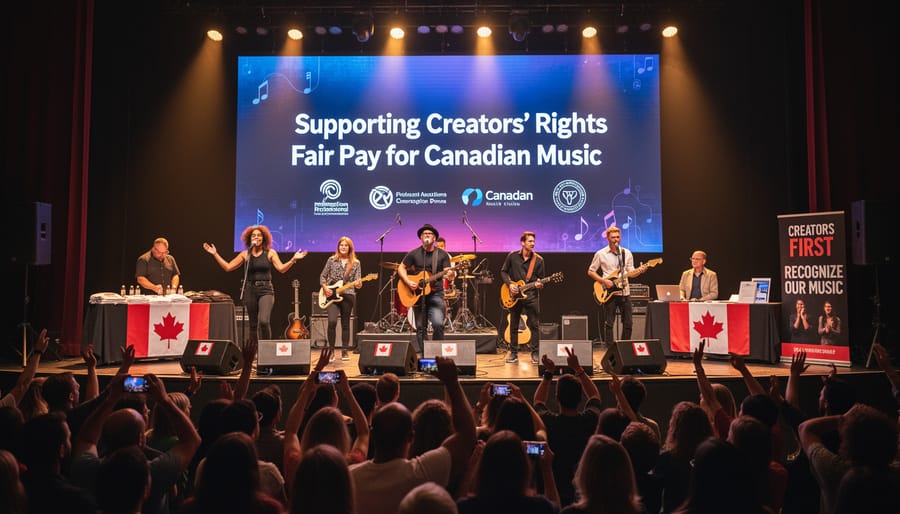
Canada’s recognition music groups operate within a framework specifically designed to reflect our nation’s cultural diversity and bilingual character. Organizations like SOCAN, Re:Sound, and CMRRA maintain offices across the country, with significant operations in Toronto serving as hubs that connect creators from coast to coast while ensuring regional voices are heard and protected.
The structure of Canadian recognition groups addresses challenges unique to our music landscape. Geographic spread across provinces and territories means these organizations must track music use in venues from major urban centres to remote communities. They’ve developed systems that account for performances at the National Arts Centre in Ottawa, francophone festivals in Quebec, Indigenous cultural events in Nunavut, and folk venues in the Maritimes, ensuring creators receive compensation regardless of where their music reaches audiences.
Protection for francophone artists represents a core mandate. Canadian recognition groups work actively to ensure Quebec’s vibrant music scene, which operates in both domestic and international francophone markets, receives proper compensation and advocacy. They maintain French-language services, understand the specific licensing needs of French-language broadcasters and streaming platforms, and connect Quebec creators to francophone markets in Europe, Africa, and beyond through international agreements.
Indigenous music receives focused attention from Canadian recognition groups, who recognize that traditional knowledge and contemporary Indigenous creation require culturally appropriate protection. These organizations have developed consultation processes with Indigenous communities, work to understand protocols around sacred and ceremonial music, and advocate for recognition of Indigenous creators’ rights both domestically and in international forums.
Canadian recognition groups strengthen our export capacity by negotiating reciprocal agreements with over 100 countries. When Toronto artists tour Europe, Montreal producers license tracks globally, or Vancouver songwriters collaborate internationally, these organizations ensure royalties flow back to Canada. They’ve built relationships that allow Canadian music to compete fairly in global markets while protecting creators from exploitation.
The regulatory environment shapes how recognition groups operate here. Federal oversight through bodies like the Copyright Board of Canada means these organizations function within transparent frameworks that balance creators’ rights with users’ needs. This structured approach has made Canada’s system a model studied internationally, demonstrating how collective management can serve diverse creative communities effectively while maintaining public trust.
Common Questions About Recognition Music Groups
Creators often have specific questions about working with recognition music groups, especially when first navigating these organizations. Understanding the practical details helps you make informed decisions and maximize the benefits of membership.
How often are royalties paid?
Most recognition music groups distribute royalties quarterly or semi-annually, though payment schedules vary by organization and rights type. Processing time means you typically receive payment several months after your music is used, as the organization must collect data, verify usage, and calculate distributions.
Can I join more than one organization?
Yes, and you often need to. You might join one organization for performing rights and another for reproduction rights, as different groups manage different rights categories. However, you can only join one performing rights organization at a time for the same territory.
What if I write and perform my own music?
You’ll typically register as both songwriter and publisher for the compositions, and separately for your rights as a performer on the recordings. This dual registration ensures you receive all applicable royalties for both creating and performing your work.
What happens when music is used without permission?
Recognition groups actively monitor unauthorized use and can pursue licensing fees or legal action on your behalf. Their enforcement capabilities are far stronger than what individual creators could achieve alone, protecting your rights even when you’re unaware of specific infringements.
Many creators wonder about membership costs. While some organizations charge nominal registration or annual fees, these are typically offset by the royalties collected. The investment in joining a recognition music group pays for itself once your music starts generating revenue through licensed use.